
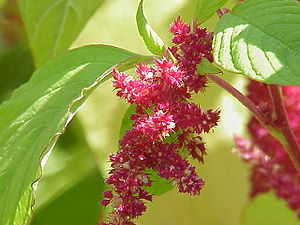
Exploring the Vibrant World of Amaranth Color
Introduction
Amaranth color, derived from the vibrant plant known as amaranth, is a captivating hue that catches the eye and adds a touch of richness to various aspects of our lives. From art and design to fashion and food, the amaranth color holds a special place in our aesthetic preferences. In this article, we will delve into the characteristics, symbolism, and applications of amaranth color, unveiling the allure it brings to our visual experiences.
The Nature of Amaranth Color
Amaranth color is a deep and intense shade that falls within the red-purple spectrum. It embodies a strong reddish hue with undertones of magenta or violet, creating a striking and visually captivating appearance. The name "amaranth" itself is derived from the Greek word "amaranths," meaning "unfading," alluding to the color's enduring and timeless appeal.
Symbolism and Meanings
1. Vitality and Immortality
Amaranth color is often associated with vitality, endurance, and immortality. In ancient Greek mythology, the amaranth flower was believed to possess eternal properties, symbolizing everlasting beauty and life. The vibrant hue of amaranth color reflects this symbolism, exuding energy and strength.
2. Luxury and Opulence
The rich and deep characteristics of amaranth color are reminiscent of luxury and opulence. Historically, this hue has been used in royal regalia and high-end fashion to convey a sense of grandeur and extravagance. Its association with luxury continues to captivate our modern aesthetic sensibilities.
3. Passion and Romance
With its passionate and intense red undertones, the amaranth color evokes feelings of love and romance. The color's warmth and depth create an alluring and sensuous atmosphere, making it a popular choice for romantic settings, intimate spaces, and expressions of deep affection.
Applications of Amaranth Color
Art and Design
Amaranth color has a strong presence in the world of art and design. Artists and designers incorporate this captivating hue into their creations to evoke emotions, add depth, and make a bold statement. Whether used as a focal point or in combination with other colors, amaranth color brings vibrancy and visual interest to paintings, sculptures, textiles, and various design elements.
Fashion and Style
In the realm of fashion, amaranth color stands out as an eye-catching and luxurious choice. It adds a touch of sophistication and drama to clothing, accessories, and cosmetics. From elegant evening gowns to statement handbags and bold lipstick shades, amaranth color enhances personal style and makes a memorable fashion statement.
Home Decor and Interiors
Amaranth color can transform living spaces into vibrant and visually captivating environments. Whether used as an accent color or as the primary hue in a room, it infuses energy and warmth into interior design. From painted walls and furniture to decorative accents such as pillows, rugs, and artwork, amaranth color adds personality and creates a focal point in home decor.
Culinary Delights
The allure of amaranth color extends to the culinary world as well. Natural ingredients like the amaranth plant itself, berries, and certain vegetables can exhibit this striking hue. Chefs and food enthusiasts use amaranth color in various dishes and desserts to create visually stunning presentations and tantalize taste buds with a touch of visual delight.
FAQs about Amaranth Color
1. Can I combine amaranth color with other colors in my design or outfit?
Absolutely! Amaranth color pairs well with a range of colors, depending on the desired effect. It complements neutrals like whites, grays, and creams, as well as other bold shades like deep blues, emerald greens, and golden yellows. Experimenting with different color combinations can yield visually captivating results.
2. Is there a difference between amaranth color and magenta?
Amaranth color and magenta share similar undertones but have slight differences. Amaranth color tends to be deeper and leans more towards red, while magenta is brighter and leans more towards purple. While they are related hues, they each have their own distinct characteristics.
3. Are there variations of amaranth color?
Yes, there can be variations in the intensity and undertones of amaranth color. Some shades may lean more towards red or purple, while others may have a cooler or warmer tone. These variations provide flexibility in incorporating amaranth color into different contexts.
Conclusion
Amaranth color, with its deep and vibrant characteristics, holds a special place in our visual experiences. Its symbolism of vitality, luxury, passion, and romance resonates across various fields, including art, fashion, interior design, and culinary arts. Whether used as a focal point or in combination with other colors, amaranth color adds a touch of richness and allure to our lives, making a lasting impression wherever it is found.
============================================
